The Hidden Mechanics of Real-Time RNG Integration in Live Dealer Variants of Sic Bo and Teen Patti
Written by Freya Keller · Aug 23, 2026
The Hidden Mechanics of Real-Time RNG Integration in Live Dealer Variants of Sic Bo and Teen Patti
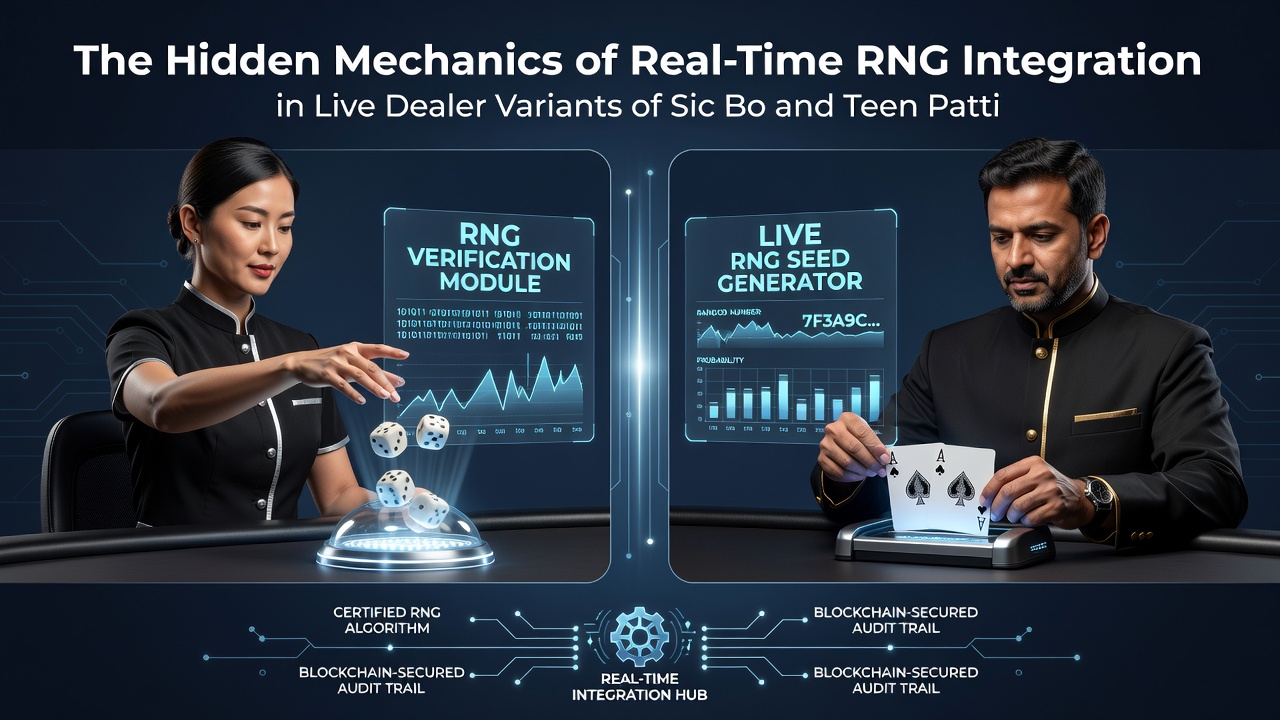
Live dealer platforms have expanded Sic Bo and Teen Patti with variants that blend physical tables and streamed video with real-time RNG components for side bets, bonus rounds, and certain outcome resolutions. These systems operate by generating random values through certified algorithms that sync with the live feed within milliseconds, allowing operators to maintain broadcast pace while meeting regulatory standards for unpredictability. Research from gaming technology reports indicates that such integration often relies on hardware security modules to seed RNG processes continuously during each round, preventing any pre-determination of results even when the dealer handles physical dice or cards.
Core Technical Processes in Sic Bo Variants
Sic Bo live variants typically feature three physical dice on camera, yet many platforms incorporate RNG for additional wagers like specific triple combinations or progressive jackpots that resolve independently of the main throw. The RNG engine pulls entropy from multiple sources including thermal noise and system timestamps, then produces values that appear as digital overlays on the player interface seconds after the dealer completes the physical roll. According to data from the Nevada Gaming Control Board on electronic gaming standards, these mechanisms undergo continuous testing to ensure statistical randomness across millions of simulated cycles, with audit logs capturing every seed generation event for compliance review.
Real-time synchronization occurs through dedicated servers that timestamp both the live video frames and RNG outputs, creating an immutable record that regulators can examine if disputes arise. Observers note that this dual-layer approach reduces latency issues common in fully virtual games, while the physical dice maintain the tactile authenticity that draws players to live formats. In August 2026, several platforms plan to deploy updated protocols that further compress RNG verification times to under 50 milliseconds per round, aligning with emerging hardware advancements in streaming infrastructure.
Application in Teen Patti Live Settings
Teen Patti live dealer games present three-card hands dealt from physical decks, but RNG integration appears in features such as side pots for high-card bonuses or automated community card reveals in certain hybrid tables. The system generates supplementary random values that determine eligibility for these extras without altering the core hand dealt by the live croupier. Studies from the New Jersey Division of Gaming Enforcement show that certified RNG implementations in card-based titles achieve uniformity rates exceeding 99.9 percent across extensive trial sets, with periodic re-certification required after any software updates.
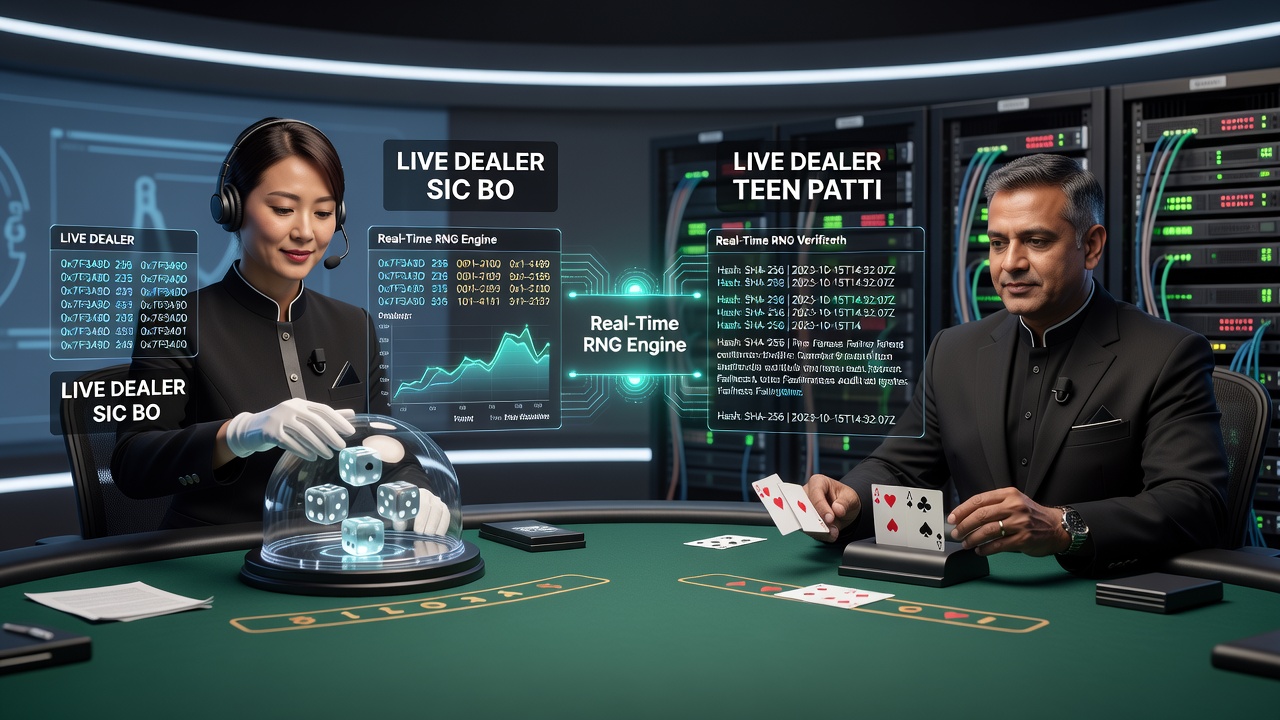
Integration happens via application programming interfaces that pull fresh random sequences at the start of each betting window, then map those values to on-screen animations that players see alongside the video stream. This process ensures that bonus triggers remain independent of the physical shuffle and deal sequence. Those who have examined regulatory filings observe that operators must maintain separate audit trails for RNG events versus live actions, creating a clear separation that supports fair-play verification by third-party testing labs.
Security and Fairness Mechanisms
Encryption protocols wrap RNG data streams during transmission to prevent interception or manipulation attempts. Multi-factor authentication on backend servers further restricts access to seed values, while automated monitoring flags any deviation from expected distribution patterns. Industry reports from the Canadian Gaming Association highlight that real-time RNG in live environments undergoes the same rigorous statistical batteries applied to standalone slot machines, including tests for serial correlation and frequency distribution.
Players interact with these systems through interfaces that display certified fairness seals, though the underlying code remains proprietary to protect against reverse-engineering. When a variant introduces a new RNG-triggered feature, regulators require fresh submissions for approval before deployment. This structured oversight continues to shape how platforms evolve their offerings through 2026 and beyond.
Conclusion
The mechanics behind real-time RNG in these live dealer games combine physical presentation with digital randomness to expand gameplay options while preserving regulatory compliance. Data from multiple testing authorities demonstrates consistent performance across both Sic Bo and Teen Patti formats, with synchronization technologies enabling seamless experiences. As platforms refine these systems, the focus remains on verifiable randomness and transparent logging that supports ongoing industry standards.