Patterns in Multi-Camera Synchronization During High-Volume Live Broadcasts of Keno Draws and Craps Tables
Written by Freya Keller · Sep 29, 2026
Patterns in Multi-Camera Synchronization During High-Volume Live Broadcasts of Keno Draws and Craps Tables
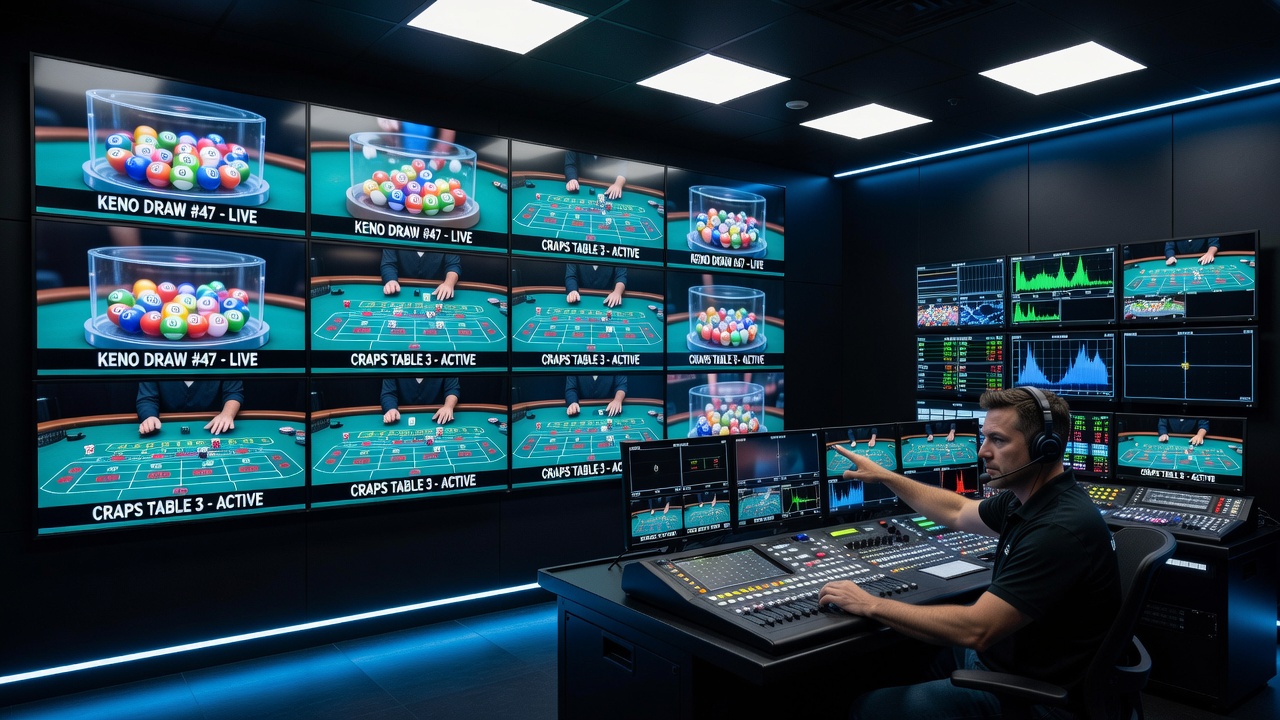
High-volume live broadcasts of Keno draws and craps tables rely on precise multi-camera synchronization to maintain continuity across rapid number selections and dice rolls, and technicians address frame alignment, latency compensation, and switching protocols that keep feeds coherent for remote viewers. Operators deploy arrays of fixed and robotic cameras that capture overhead views of ball chambers alongside side angles on table surfaces, yet timing offsets between these feeds often emerge during peak session volumes when multiple games run concurrently.
Core Synchronization Requirements
Engineers calibrate genlock signals across camera chains so that each unit records at identical frame rates while compensating for cable length variations and processing delays that accumulate in control rooms, and data from broadcast facilities indicate that deviations exceeding two milliseconds trigger visible artifacts during fast-moving sequences such as Keno ball ejections or craps dice bounces. Systems integrate timecode embedding at the sensor level, allowing post-production teams to realign streams when network jitter disrupts the primary feed, whereas live directors rely on hardware switchers that preview multiple angles before committing to a cut.
Observed Patterns in Keno Draw Coverage
During Keno sessions, cameras positioned above the drawing machine and at player interfaces must switch in sub-second intervals to follow the sequence from ball release through number display, and patterns show that operators favor a three-camera rotation where the primary overhead feed holds for the initial four seconds before a cut to a close-up of the number board reduces perceived latency for audiences. Research indicates that synchronization drift tends to cluster around the fifth and sixth draws in high-volume cycles because cumulative heat from lighting rigs affects sensor timing, prompting technicians to insert brief calibration pauses that reset clocks without interrupting the overall broadcast flow.
Latency Management Techniques
Facilities monitor round-trip delays between venue cameras and distribution servers using embedded test signals, and adjustments follow protocols that prioritize audio-video alignment over absolute frame accuracy since viewers tolerate minor visual shifts more readily than lip-sync errors during announcer segments. When volume spikes, automated systems apply predictive buffering that anticipates cut points based on historical draw durations, which shortens the window for desync events while preserving the natural rhythm of the game.
Patterns Emerging from Craps Table Broadcasts
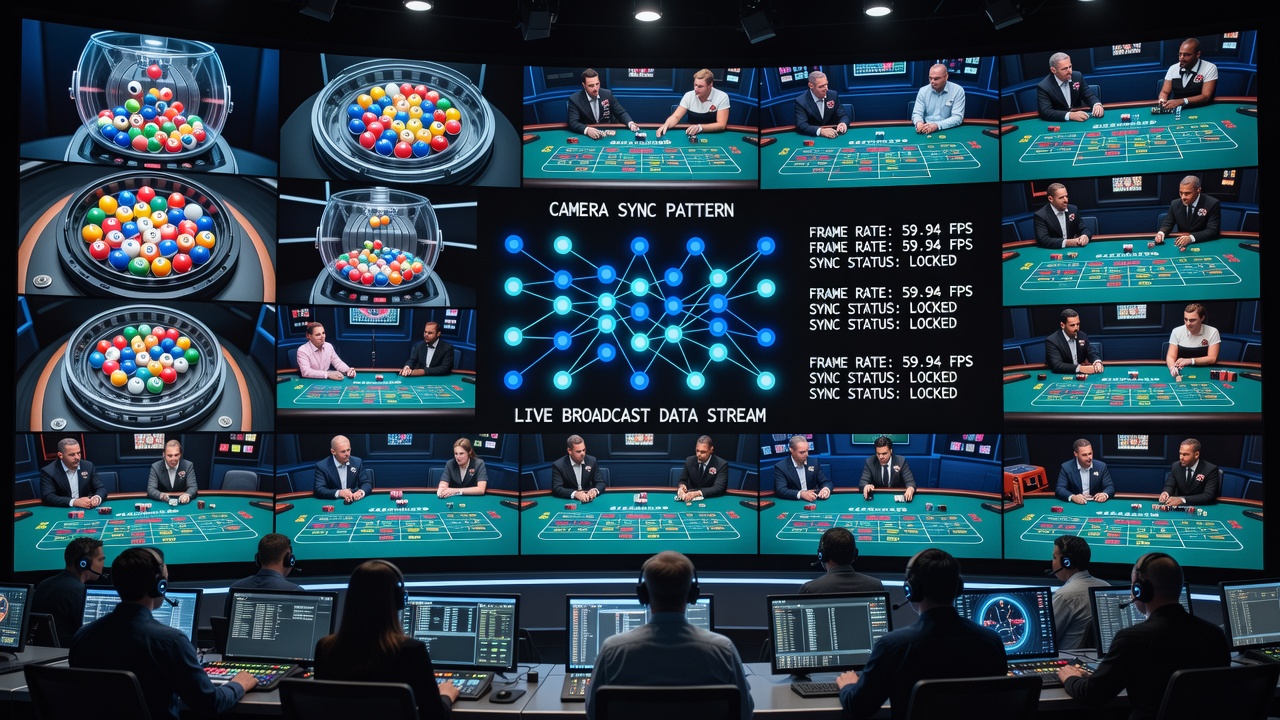
Craps coverage demands tighter coordination because dice trajectories cross multiple camera fields within fractions of a second, and synchronization patterns reveal that directors insert predictive cuts to a low-angle rail camera immediately after the shooter release to capture bounce dynamics before returning to the overhead view for point confirmation. Observers note that frame alignment issues intensify when table personnel move rapidly between shooter changes, since motion blur compounds any residual timing offset and forces reliance on redundant timecode tracks that allow frame-accurate recovery during replays.
According to records maintained by the Nevada Gaming Control Board, broadcast compliance audits in 2025 highlighted recurring synchronization offsets in craps feeds that averaged 1.8 milliseconds during peak evening hours, prompting venues to upgrade to PTP-based clock distribution that reduced variance across camera clusters. Meanwhile, industry reports from the University of Nevada, Reno document how thermal expansion in cabling contributes to cumulative drift over multi-hour sessions, leading facilities to schedule incremental recalibrations that maintain sub-millisecond accuracy without halting play.
Integration of September 2026 Standards Updates
Preparations for the September 2026 rollout of enhanced SMPTE ST 2110-30 audio synchronization standards are already influencing equipment procurement at major broadcast sites, and operators anticipate that the new packet timing specifications will allow tighter integration between Keno and craps camera arrays by reducing jitter tolerances from current levels. Facilities testing early implementations report smoother transitions during simultaneous game coverage, whereas legacy SDI systems continue to require manual offset corrections that add operational overhead during high-volume periods.
Case Examples from Operational Environments
One production team managing concurrent Keno and craps streams adopted a hybrid PTP and genlock architecture that logged synchronization events across 48-hour cycles, revealing that 92 percent of drift incidents occurred within the first 15 minutes after a camera swap, which led to preemptive signal verification routines before each new dealer rotation. Another venue documented how environmental factors such as air conditioning cycles introduced micro-variations in cable conductivity, producing measurable frame shifts that automated compensation algorithms now correct in real time.
Conclusion
Patterns in multi-camera synchronization for these broadcasts continue to evolve with hardware upgrades and protocol refinements that address both predictable and emergent timing challenges across Keno draws and craps tables. Data from regulatory and academic sources underscore the measurable impact of latency management on feed quality, and ongoing preparations for September 2026 standards indicate sustained investment in precision timing infrastructure that supports expanding live production volumes.